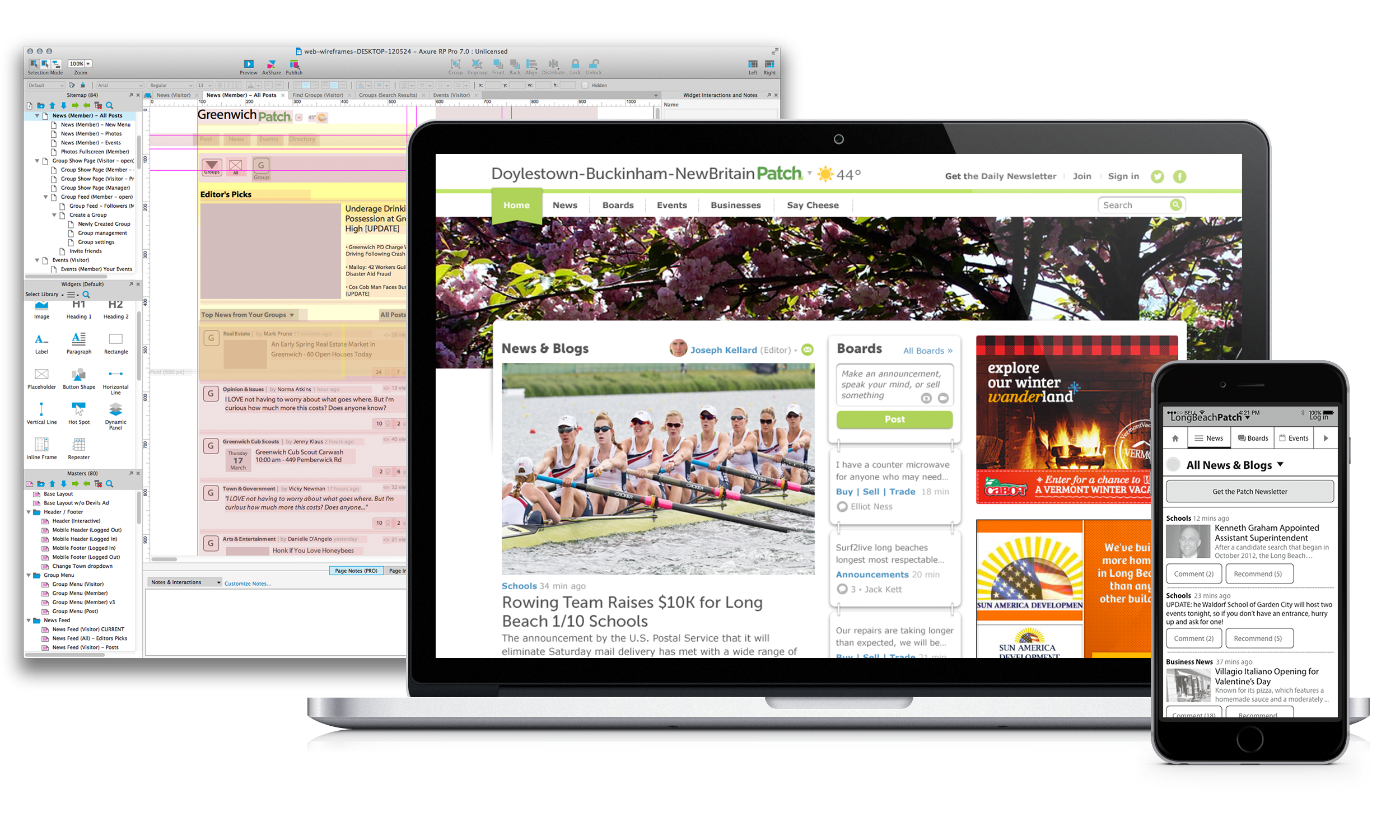
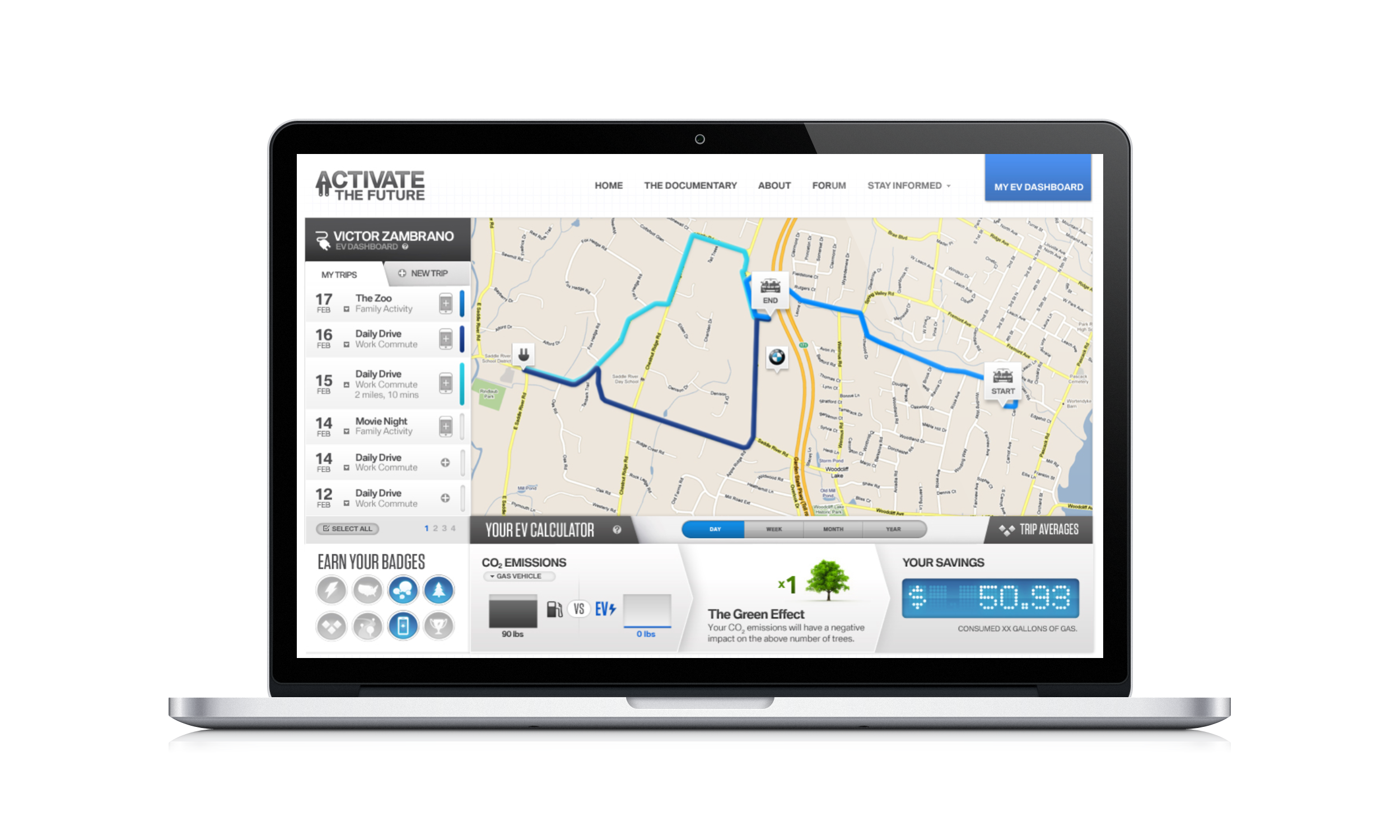



















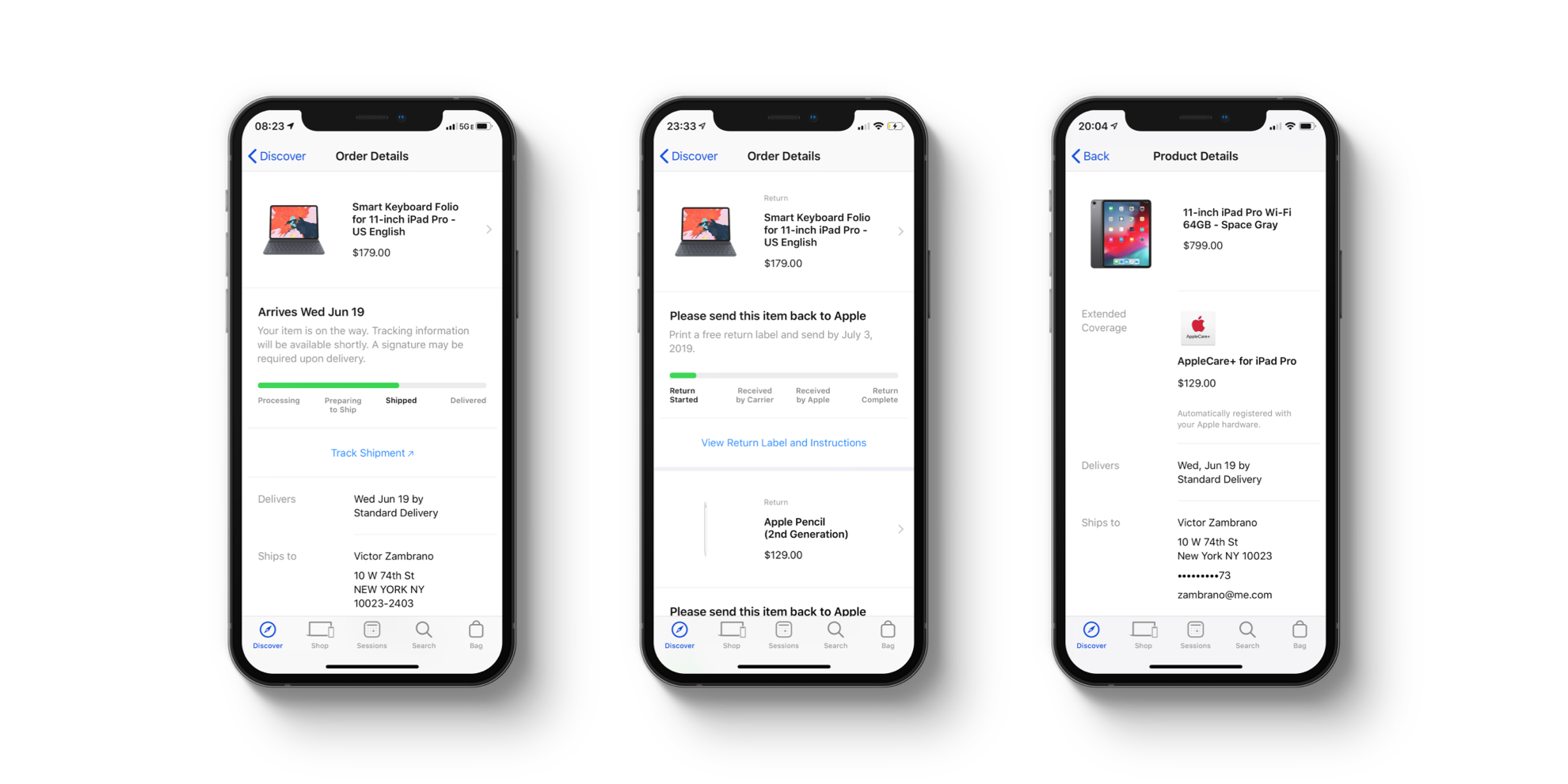



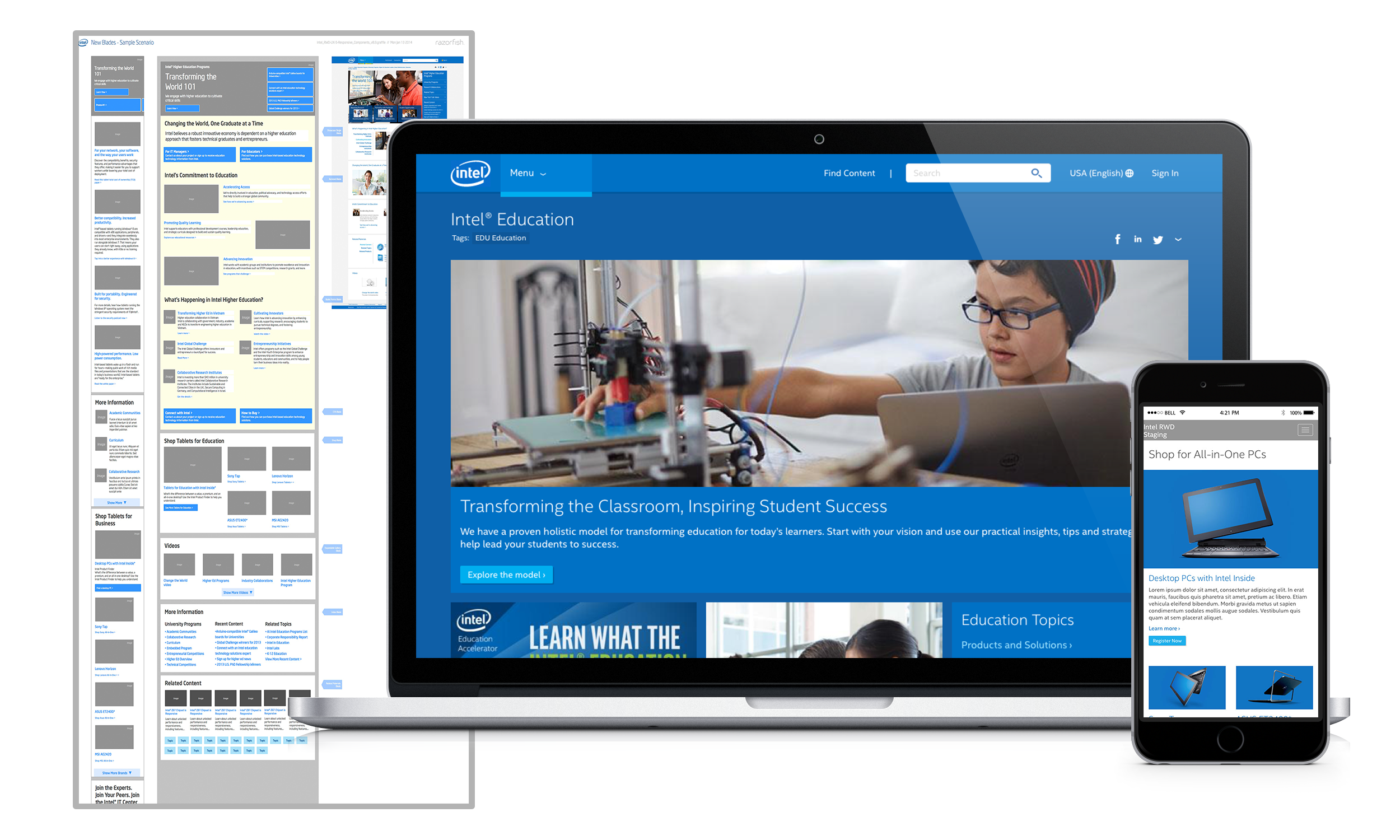
Companies I've worked with

AOL
Apple
BMW
British Gas
Cisco
Ericsson
facebook
Google
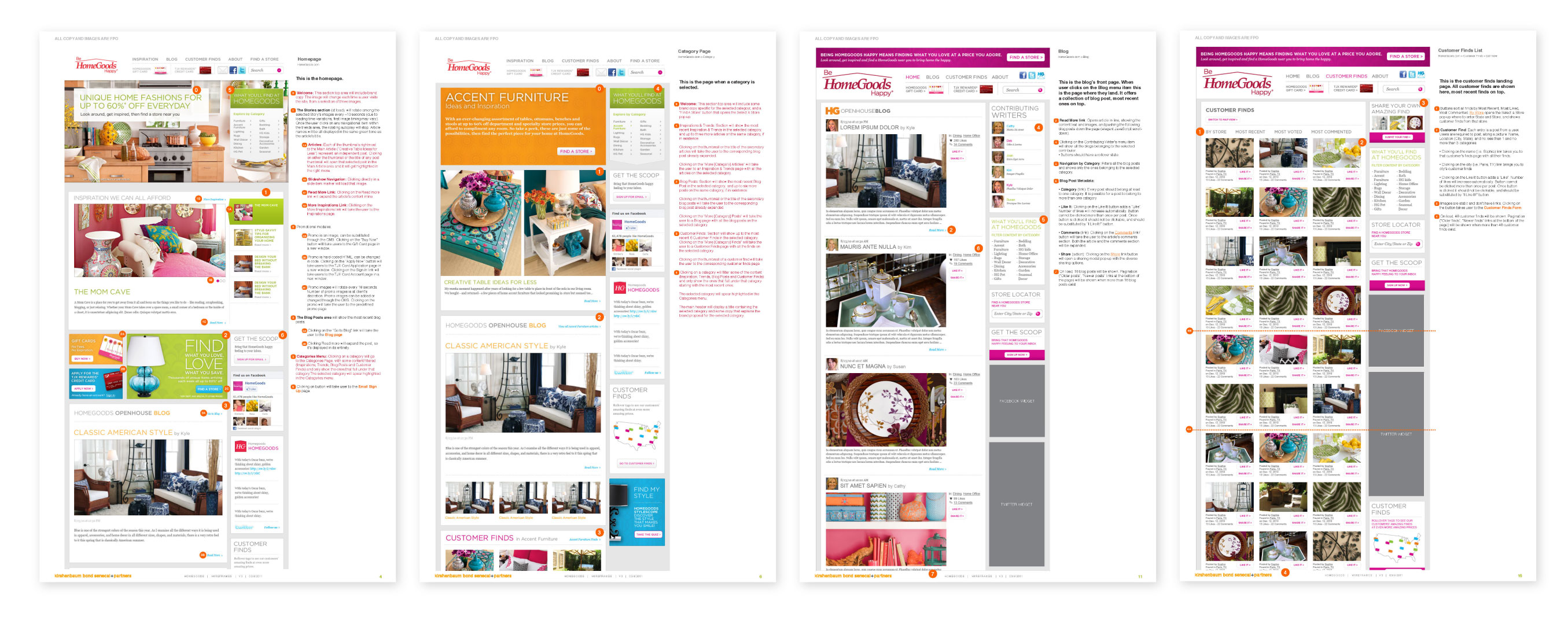
HomeGoods
HP
Intel
Mattel
Nissan
PayPal
P&G
Pirelli
RedBull
Sony

Things they've said about me

Victor is an excellent UX practitioner. He takes a very pragmatic approach to UX design and is very focused on making sure his design solutions are user-centered. He is also very good at brainstorming and coming up with multiple solutions for complicated UX problems.

Kris Kepler

Managed Victor at Razorfish for Intel

[Victor is] one of the more well-rounded UX designers I've worked with, possessing a keen eye for detail and understanding of the technical nuances he's designing for. I would highly recommend him for any UX-focused agency or in-house role.

Ben Hewett

Directed Victor at Apple Retail Experiences

[Victor] was always helpful and available to answer questions, patient and extremely knowledgeable. From collaborating with him I learned a lot about e-commerce and UX processes and thinking. He's analytical, detail-oriented and has great design aesthetics.

Karen Felzener

Worked with Victor at Apple Retail Experiences

Things I've thought

Poor-Design Coefficient

Sometimes it’s very difficult to know if a digital product/service is well designed: one has to both have the context of the intended user, and be able to use it as intended by the task to be fulfilled. However, it is quite easy to know when some digital products/services are somehow poorly...

Product and Conflict

Conflict tends to arise when individuals/roles/teams/orgs are trying to achieve goals that point to different directions. The best way to avoid, manage, and solve conflict (and the one exercise that helps teams the most with the least effort) is to get those individuals/roles/teams/orgs aligned on...

Design is communicating ideas

The word design comes from Latin designo, same origin as designate: “To mark out and make known; to point out; to indicate; to show; to distinguish by marks or description”. It is about communicating an idea, not just composing it....

Thoughts

Can design change the world?

Victor Zambrano

Yes. Definitely.

If you really think about it, design can definitely change the world.

The degree, the direction and the ethical value of that change might vary, so perhaps the accomplishment of what that phrase “change the world” usually means (as in “make a difference”) might not happen almost all the time, but change as the abstract concept of “making something different” is inherently what design does, so just by existing design is by definition changing the world.

I’m even compelled to argue that design is by definition “the process of changing the world”. So when design happens, there’s a change in the world.

If you’re not confortable with these arguments, perhaps it is because you’re thinking of a much more defined interpretation of “changing the world”. That, as with many design problems, is due to a poor definition of the problem to be solved.

Perhaps we, instead of uttering short, emphatic, compelling phrases like “design can change the world” should dedicate more time to really defining what we mean with it, as in “can interaction and visual design make a large part of the world population live a better life?”. The answer to such question being a rotund “Not at all. It requires much more than those disciplines to create a solution that can achieve such goal”.

(Inspired by A New Yorker walks into a San Francisco start up…)

~ • ~